About
Background
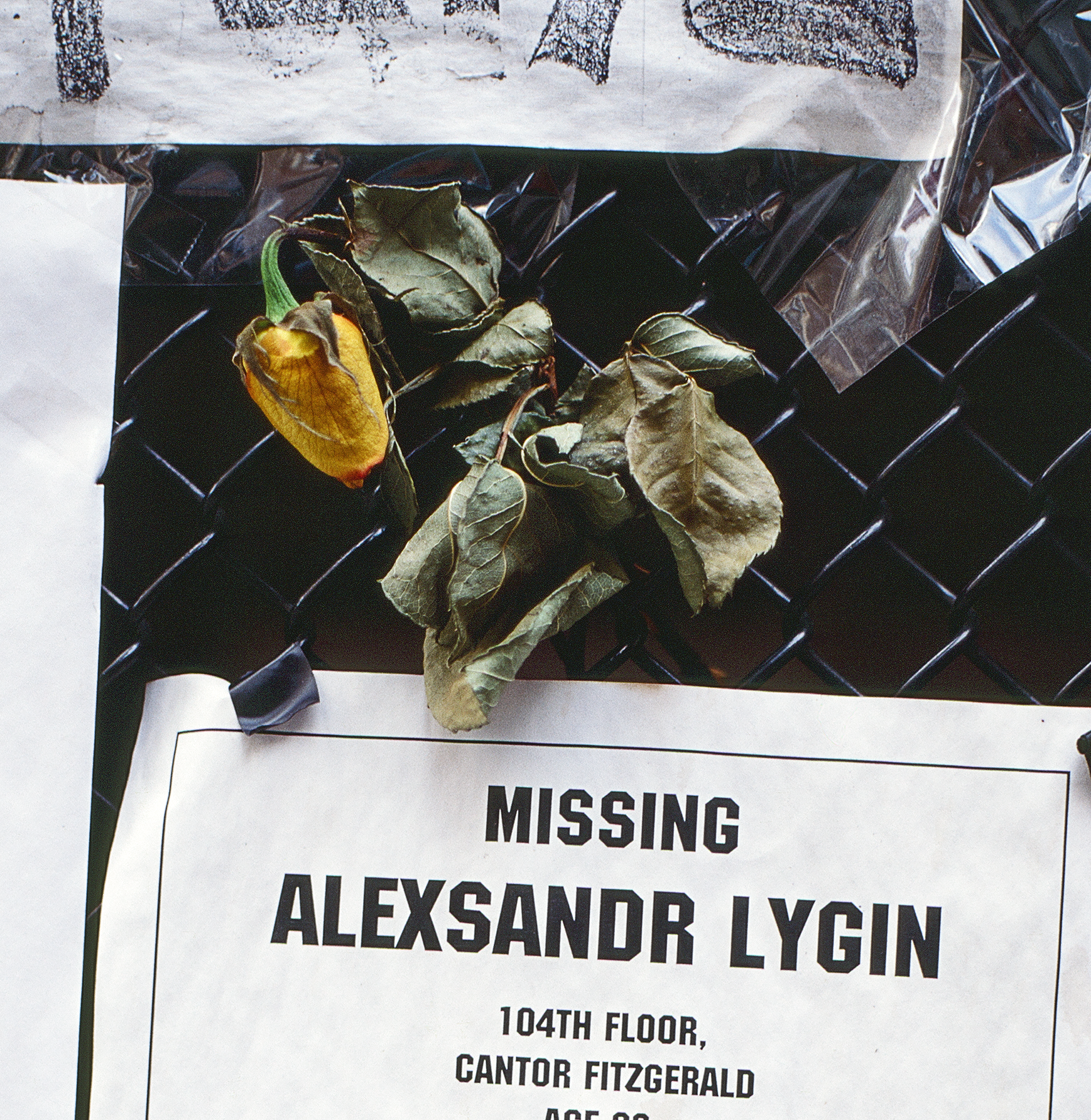
Immediately after 9/11 there was talk that people lying unconscious in hospitals. From this came the hope that a loved one was possibly alive in some hospital unidentified. Within days thousands of missing persons posters were posted all over the city.
The Armoury on Lexington Ave became the concentration of posters as it served as the main center for reporting missing persons. As it happened the Armoury was just around the corner from my studio at the time. Each day I would walk over to have look. The thing that one noticed was the attention people gave to the posters. Some people would spend hours reading them. There was an air of solemnity around the site.
I wanted to capture this. I started to take a picture of each poster but was quickly asked to stop by a soldier. I complied without complaint. After a week the soldiers had left and I went back with my camera. By then the flowers had wilted and the many of the posters had become weathered. Little did I realize at the time, waiting that week, how important the wilted flowers and torn and wrinkled posters would be in bringing a power to the photographs.
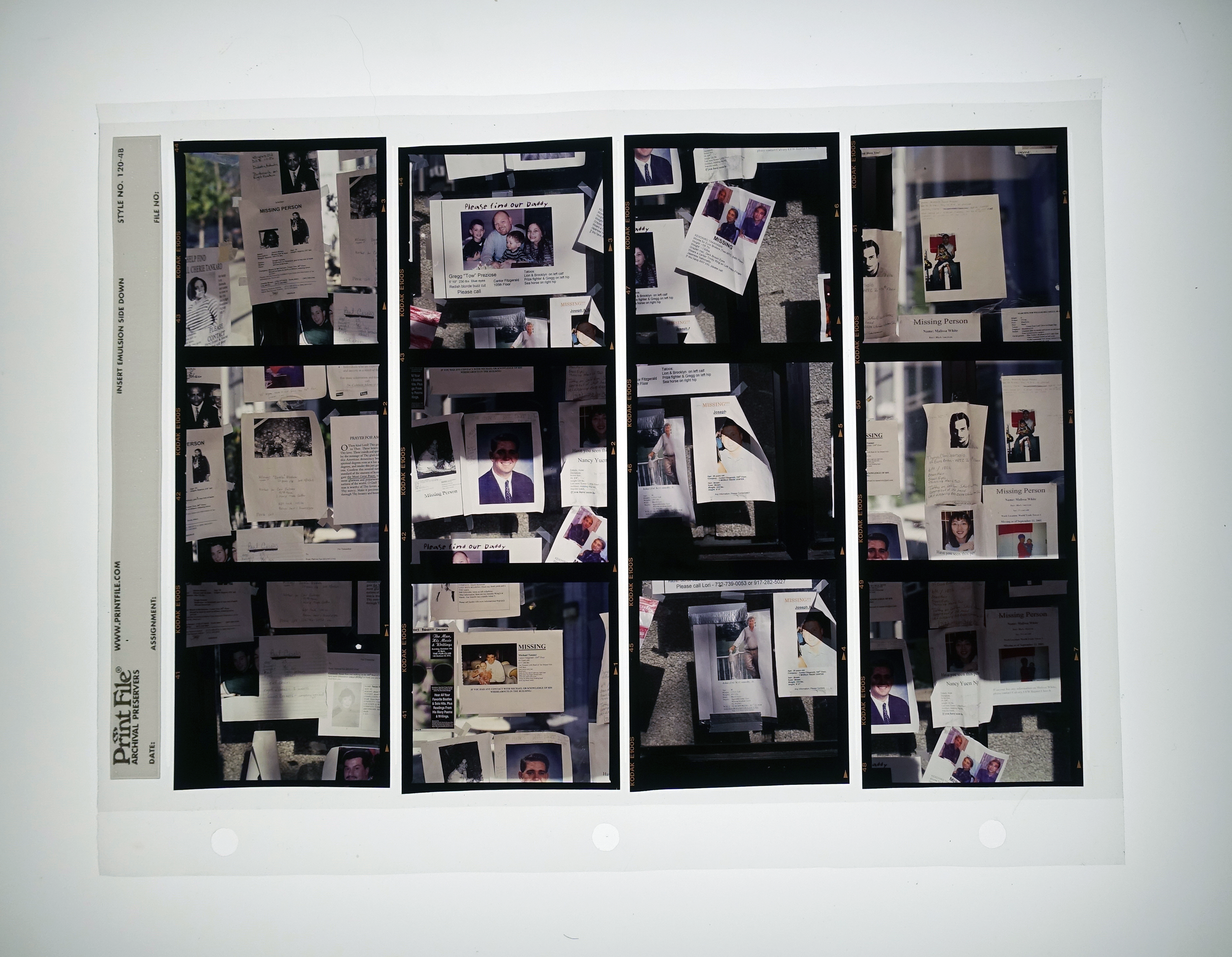
Over the next couple of weeks I photographed with my medium format camera as many posters as I could from position of straight on and from a distance of about three feet. I wanted to be objective. To record simply what was before the lens. In the end I ended up with over 300 photographs.
I see in these photos a portrait of a portrait. The first portrait is of the missing person poster itself with all its physcial characteristics and surroundings. Then there is a nested portrait of the missing person.
These posters were created. Someone, for the most part unknowingly, made aesthetic decisions. For instance, what photo to show. Most photos were of a happy time with subject smiling out at the viewer – a family snap shot. Then there were physical traits to list: tall or short, colour of hair, tatoos, what clothes were worn on the day. All of this giving us a type of portrait of that person so that we would recognize them.
But more than that, a poster gave the viewer a glimpse a of real person, a human who was loved and was now dearly missed. One could feel those emotions coming off that piece of paper. Sometimes it was quite strong. That’s why people would look at them, read them, one after the other, and that is why the missing persons posters have a lasting effect as a historical document of the 9/11 tragedy.
Bio
Stuart Inglis is an award-winning art director and graphic designer with 30+ years of experience in the graphic design industry, including extensive work in the magazine field. For the past 15 years, Stuart has specialized in brand development and corporate identity design for organizations ranging from start-ups to billion-dollar companies.
Photography has always been a serious passion of his. Through his position as an art director, Stuart learned the craft doing commercial and fashion photography. Early on, he turned to fine art photography and have been doing so ever since. He is currently developing 3 photography books for publication, including MISSING.
1995 to 2002, Stuart was living and working in New York. In 2001, he was there to witness the effects of 9/11 tragedy on the city firsthand.
For voluntary work, he served for 15 years on the Board of Directors of an environmental conservation association, including two years as President. During that time, he edited, designed, and produced a 300+ page coffee table book for the Association.
The morning of September 11th
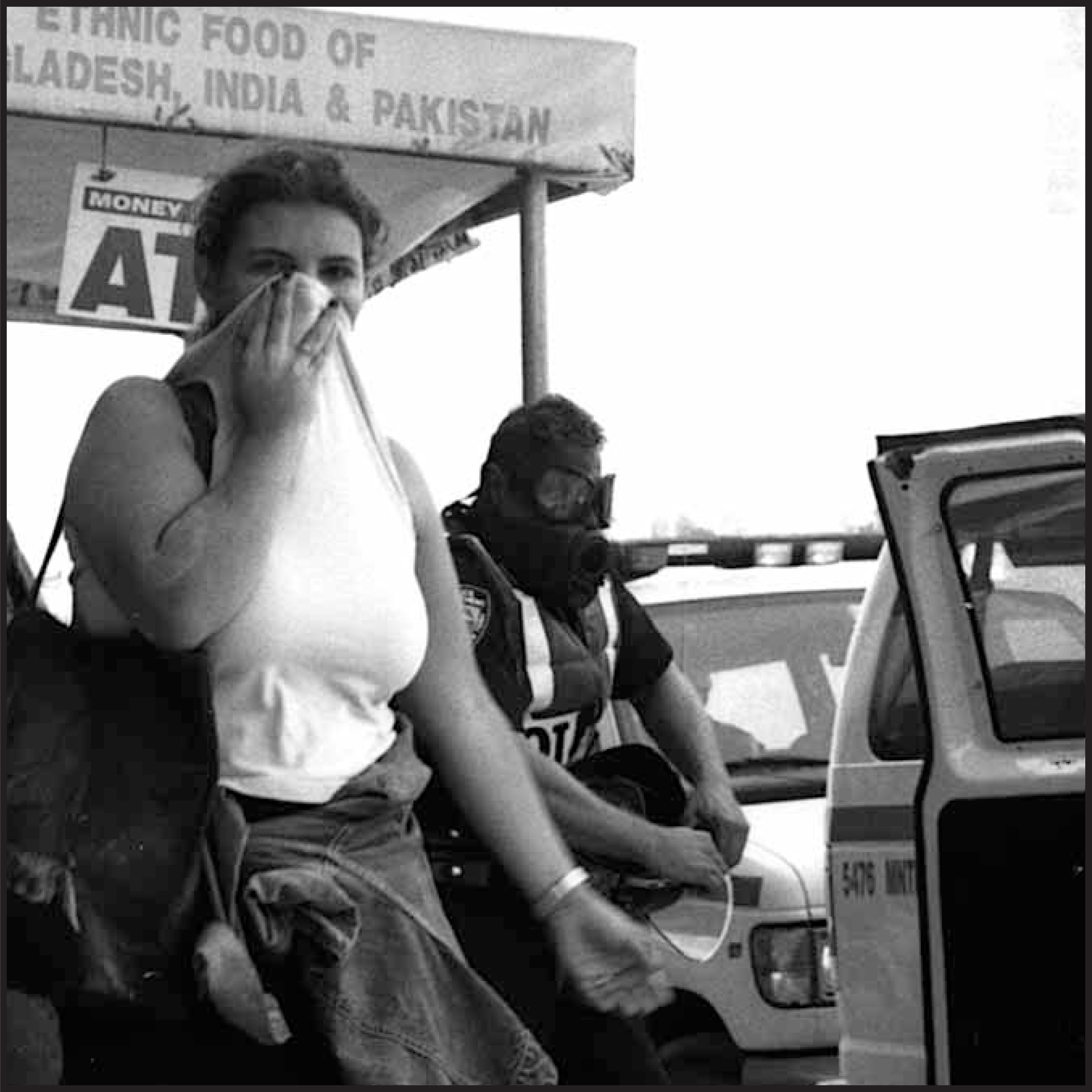
South Tower just collapsed.
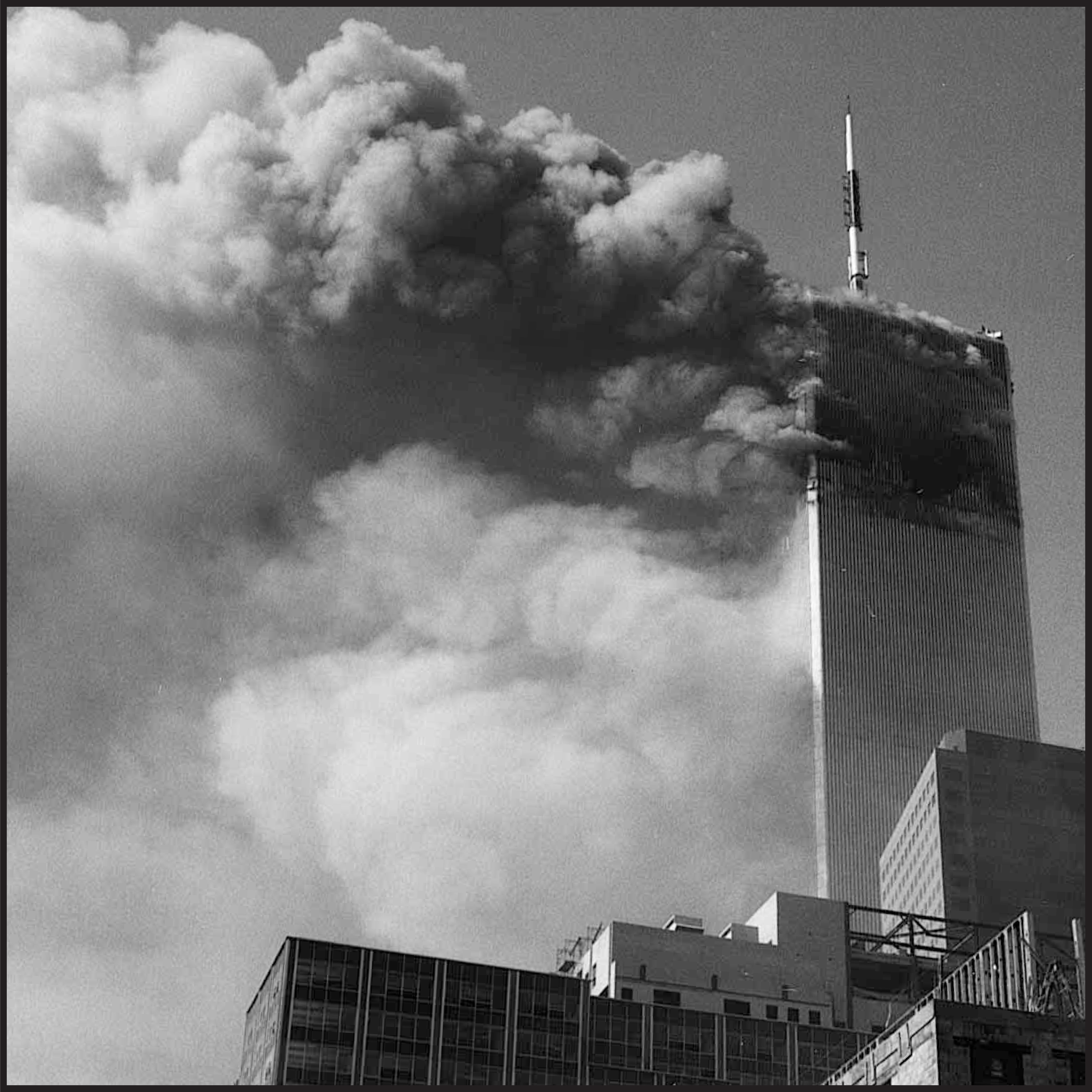
South Tower is down.
Only North Tower is standing.
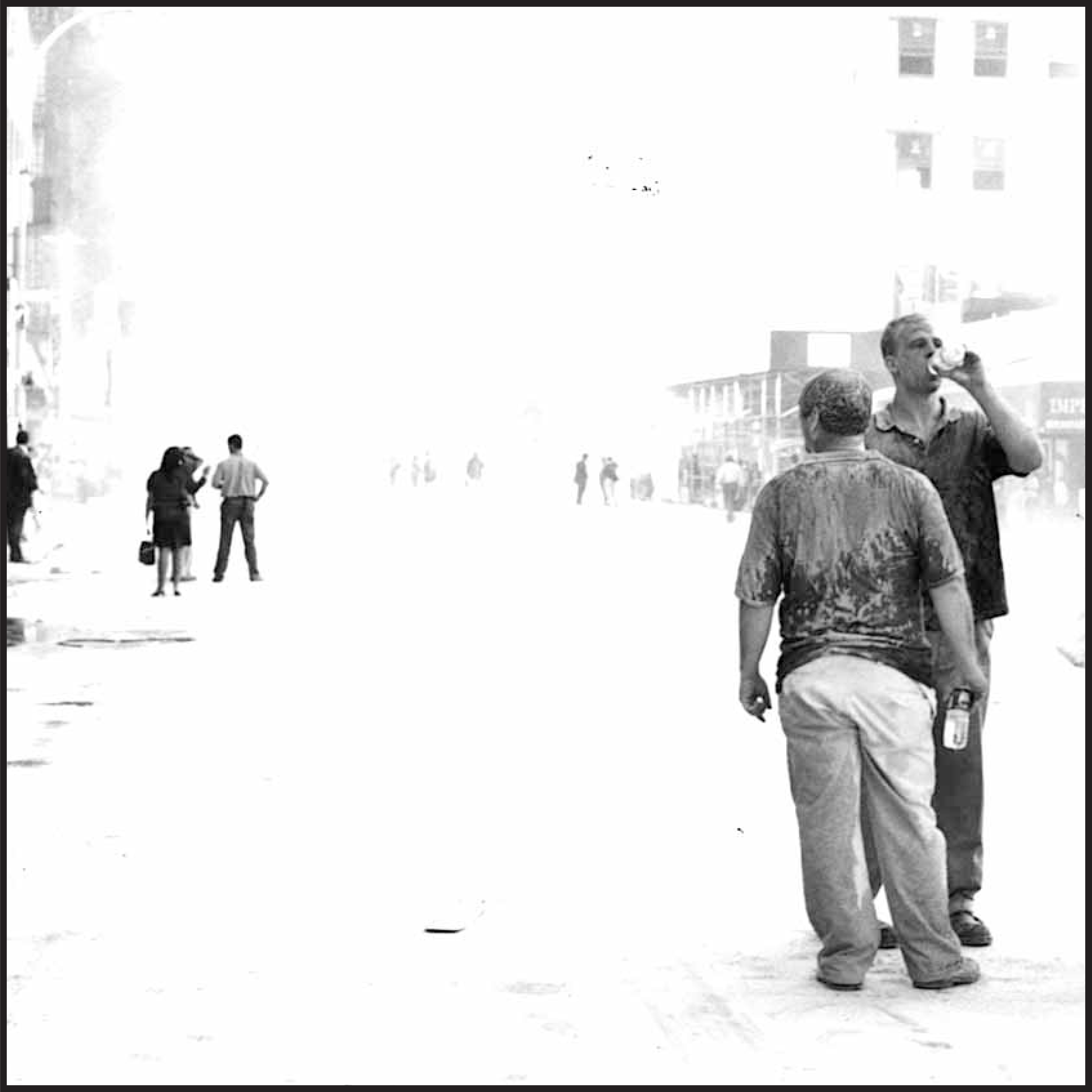
North Tower collapsed up the street.
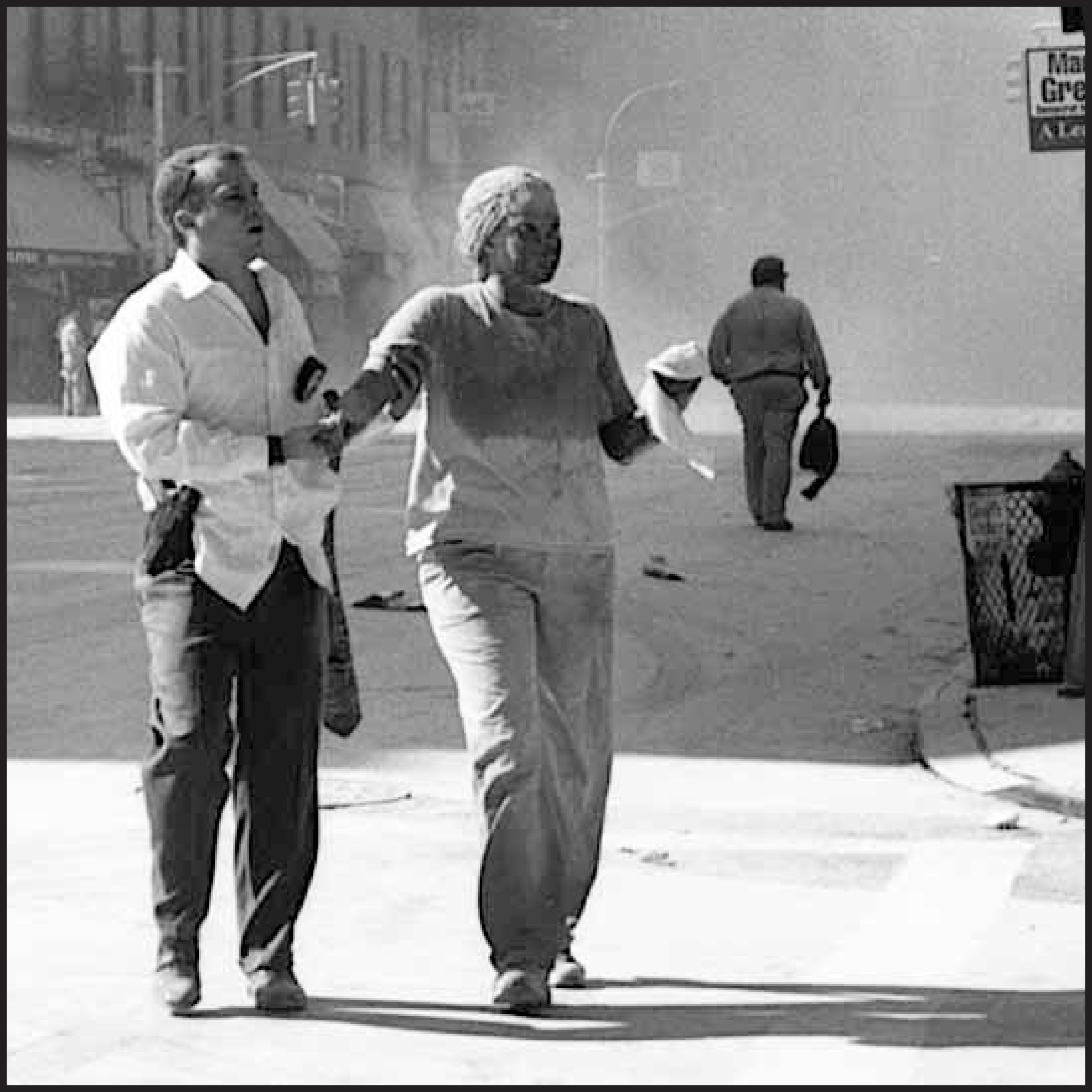
NYPD.